
Introduction
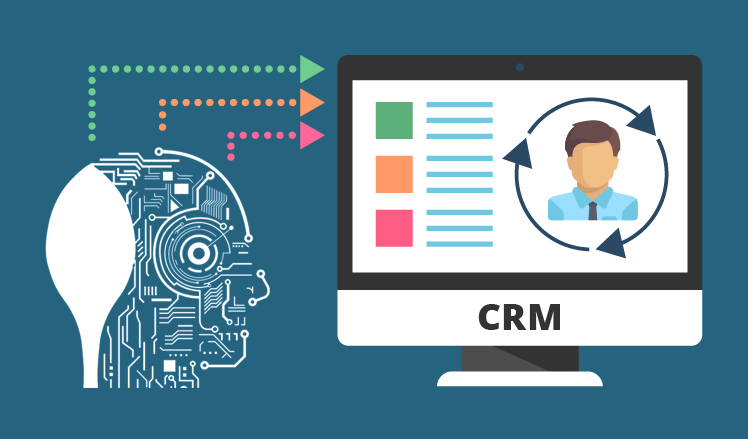
In the ever-evolving digital landscape, businesses face a myriad of challenges in staying relevant and competitive. Customer Relationship Management (CRM) has emerged as a critical tool for businesses to effectively manage interactions with current and potential customers. However, traditional CRM systems are no longer sufficient to meet the demands of today’s dynamic market. Enter AI-driven CRM solutions – a game-changer that empowers businesses to navigate the complexities of the digital world with unparalleled efficiency and effectiveness.
The Evolution of CRM
Customer Relationship Management (CRM) systems have undergone a significant transformation since their inception. Initially conceived as little more than glorified databases, primarily focused on storing customer information for future reference, CRM systems have evolved into sophisticated strategic tools integral to modern business operations. This evolution has been driven by advancements in technology, changing consumer behaviors, and the increasing importance of fostering strong, long-term relationships with customers.
At their core, early CRM systems were designed to streamline basic customer data management tasks. These systems allowed businesses to store contact information, purchase histories, and other relevant data in a centralized location, replacing manual methods of record-keeping with digital databases. While this represented a significant improvement over traditional paper-based systems, early CRM solutions were limited in their functionality and lacked the sophistication required to effectively manage complex customer relationships.
As technology advanced, so too did the capabilities of CRM systems. The advent of cloud computing, mobile devices, and data analytics revolutionized the way businesses interacted with their customers. Cloud-based CRM platforms enabled real-time access to customer data from anywhere, at any time, empowering sales teams to stay connected and informed while on the go. Mobile CRM applications further enhanced this accessibility, allowing sales representatives to access critical information and update records directly from their smartphones or tablets.
Furthermore, the integration of data analytics capabilities into CRM systems opened up new possibilities for businesses to gain insights into customer behavior and preferences. By analyzing vast quantities of data generated through customer interactions, businesses could identify patterns, trends, and opportunities for personalized engagement. This data-driven approach to CRM enabled organizations to tailor their marketing efforts, sales strategies, and customer service initiatives to better meet the needs and expectations of their target audience.
In addition to improving operational efficiency, modern CRM systems have become invaluable tools for driving sales and revenue growth. By providing sales teams with access to a comprehensive view of each customer’s journey, from initial contact to post-purchase support, CRM systems enable more effective prospecting, lead nurturing, and conversion efforts. Through features such as lead scoring, pipeline management, and sales forecasting, businesses can prioritize opportunities, allocate resources more effectively, and optimize their sales processes for maximum effectiveness.
Moreover, CRM systems play a crucial role in enhancing customer service and satisfaction. By centralizing customer data and interaction history, these platforms enable businesses to deliver more personalized and responsive support experiences. Service agents equipped with access to a customer’s complete profile and previous interactions can resolve issues more efficiently, anticipate needs, and provide proactive assistance. Additionally, CRM systems facilitate omni-channel communication, allowing customers to reach out for support via their preferred channel, whether it be phone, email, chat, or social media.
Beyond facilitating individual transactions, CRM systems are instrumental in fostering long-term relationships and cultivating customer loyalty. By consistently delivering exceptional experiences across every touchpoint, businesses can build trust, loyalty, and advocacy among their customer base. Through targeted marketing campaigns, loyalty programs, and personalized communications, CRM systems enable businesses to stay engaged with customers throughout their lifecycle, nurturing relationships and driving repeat business.
In conclusion, the evolution of CRM systems from basic databases to strategic business tools reflects the changing landscape of customer relationship management in the digital age. By harnessing the power of technology and data, modern CRM systems empower businesses to drive sales, improve customer service, and foster long-term relationships with their customers. As consumer expectations continue to evolve, CRM will undoubtedly remain a critical component of successful business operations, enabling organizations to adapt and thrive in an increasingly competitive marketplace.
The Rise of AI in CRM
Artificial Intelligence (AI) has become a transformative force in the realm of Customer Relationship Management (CRM), reshaping the way businesses interact with and understand their customer base. Traditionally, CRM involved collecting and managing customer data to improve interactions and foster loyalty. However, with the advent of AI, this process has undergone a paradigm shift.
At the heart of AI-powered CRM lies the ability to analyze vast quantities of data in real-time. This data encompasses a wide array of sources, including customer interactions, transactions, social media activity, and more. AI algorithms excel at processing this information, identifying patterns, trends, and correlations that may elude human analysis. By leveraging AI, businesses gain deeper insights into customer behavior, preferences, and needs, empowering them to make informed decisions and tailor their approach accordingly.
One of the key benefits of AI-driven CRM is its capacity for personalization. By analyzing individual customer data, AI can generate highly personalized recommendations, messages, and offers. This level of customization resonates with customers on a deeper level, fostering stronger connections and increasing engagement. For example, AI algorithms can analyze past purchase history, browsing behavior, and demographic information to recommend products or services that align with a customer’s preferences and interests. This personalized approach not only enhances the customer experience but also boosts sales and conversion rates.
Moreover, AI enables businesses to engage with customers in real-time across multiple channels. Through the use of chatbots, virtual assistants, and predictive analytics, companies can deliver timely and relevant communications that meet customers’ needs as they arise. For instance, an AI-powered chatbot can provide immediate assistance to a customer navigating a website or making a purchase, enhancing the overall user experience and driving customer satisfaction.
Furthermore, AI facilitates predictive analytics, allowing businesses to anticipate future trends and customer behaviors. By analyzing historical data and extrapolating patterns, AI algorithms can forecast potential opportunities and risks, enabling proactive decision-making. For instance, AI-powered predictive analytics can identify customers who are at risk of churn, enabling businesses to implement targeted retention strategies before it’s too late. Similarly, AI can forecast demand for products or services, helping companies optimize inventory management and supply chain operations.
Additionally, AI-driven CRM enhances the efficiency and effectiveness of marketing campaigns. By segmenting customers based on their preferences, behaviors, and purchasing patterns, AI enables businesses to deliver targeted messages and promotions that are more likely to resonate with each audience segment. This targeted approach minimizes wasted resources and maximizes the impact of marketing efforts, resulting in higher ROI.
However, it’s essential to acknowledge that AI-powered CRM also presents challenges and considerations. Privacy concerns, data security, and ethical considerations must be carefully addressed to ensure that customer data is handled responsibly and transparently. Moreover, businesses must invest in the necessary infrastructure, talent, and resources to successfully implement and leverage AI technologies.
In conclusion, AI has revolutionized CRM by enabling businesses to analyze vast amounts of data in real-time, uncovering valuable insights into customer behavior, preferences, and trends. By leveraging AI algorithms, companies can personalize their interactions with customers, deliver targeted messages and offers, and anticipate future needs and opportunities. Ultimately, AI-driven CRM enhances the customer experience, drives engagement and loyalty, and empowers businesses to stay ahead in today’s competitive landscape.
Key Features of AI-Driven CRM Solutions
Predictive analytics, automation, personalization, sentiment analysis, and integration represent key pillars of AI-driven customer relationship management (CRM) systems, revolutionizing how businesses engage with their customers and manage their operations. These advancements leverage the power of artificial intelligence and data analytics to enhance customer experiences, optimize processes, and drive business growth.
Predictive analytics, a cornerstone of AI-driven CRM, empowers businesses to anticipate customer behavior with remarkable accuracy. By analyzing historical data and patterns, these systems can forecast future actions, enabling businesses to proactively address customer needs and potential issues. For instance, predictive analytics can help identify which customers are likely to churn, allowing companies to implement retention strategies before it’s too late. This proactive approach not only enhances customer satisfaction but also increases revenue and customer lifetime value.
Automation plays a vital role in modern CRM systems by streamlining repetitive tasks and freeing up valuable time for sales and marketing teams. Mundane activities such as data entry, lead management, and scheduling can be automated, allowing employees to focus on more strategic activities that require human creativity and decision-making. This not only boosts productivity but also improves employee satisfaction and overall operational efficiency.
Personalization has become a cornerstone of successful customer engagement strategies, and AI-driven CRM systems excel in delivering tailored experiences at scale. By analyzing vast amounts of customer data, these systems can segment audiences based on their preferences, behaviors, and demographics. This enables businesses to create targeted marketing campaigns, recommend personalized products, and provide customized customer service interactions. As a result, customers feel understood and valued, leading to higher engagement, loyalty, and ultimately, increased sales and revenue.
Sentiment analysis is another powerful tool within AI-driven CRM systems, allowing businesses to gauge customer satisfaction and identify potential issues in real-time. By analyzing customer interactions across various channels such as social media, email, and customer support tickets, AI algorithms can detect patterns in language and sentiment. This enables businesses to identify trends, address concerns promptly, and capitalize on positive feedback to enhance the overall customer experience. Sentiment analysis not only helps improve customer satisfaction but also fosters brand loyalty and advocacy.
Integration is essential for creating a unified ecosystem that streamlines operations and enhances the effectiveness of CRM systems. AI-driven CRM solutions seamlessly integrate with other business systems such as ERP (Enterprise Resource Planning) and marketing automation platforms. This enables data sharing, process automation, and a holistic view of customer interactions across the entire organization. By breaking down silos and fostering collaboration between departments, integrated CRM systems enable businesses to deliver consistent, personalized experiences at every touchpoint.
In summary, AI-driven CRM systems represent a paradigm shift in how businesses interact with their customers and manage their operations. By leveraging predictive analytics, automation, personalization, sentiment analysis, and integration, these systems enable businesses to anticipate customer needs, streamline processes, and deliver personalized experiences at scale. As customer expectations continue to evolve, investing in AI-driven CRM technology has become imperative for businesses looking to stay competitive in today’s fast-paced digital landscape.
Case Studies: Real-World Impact of AI-Driven CRM
In the digital age, customer relationship management (CRM) has become a cornerstone for businesses seeking to understand, engage, and retain their customers. Netflix, Salesforce, and Amazon, three industry leaders in their respective domains, exemplify how AI-driven CRM strategies are shaping the landscape of customer engagement and retention.
Netflix, the pioneer in streaming entertainment, has revolutionized the way people consume media. At the heart of its success lies a sophisticated AI-driven CRM system that analyzes vast amounts of viewer data to discern preferences and behavior patterns. By leveraging machine learning algorithms, Netflix can provide personalized recommendations tailored to individual tastes, ensuring that users discover content that resonates with them. This level of personalization not only enhances the user experience but also fosters a deeper sense of engagement and loyalty. Furthermore, by continuously refining its recommendation engine based on user interactions, Netflix can adapt to evolving preferences and keep users hooked, ultimately driving subscriber retention and revenue growth.
Salesforce, a trailblazer in cloud-based CRM solutions, empowers businesses to forge stronger connections with their customers through AI-driven insights and automation. By harnessing the power of artificial intelligence, Salesforce enables companies to gain a comprehensive understanding of their customers’ needs, preferences, and behaviors. This deeper understanding allows businesses to deliver more personalized interactions across every touchpoint, from marketing and sales to customer support. By predicting customer needs and proactively addressing them, Salesforce helps businesses build trust and loyalty, ultimately driving sales and fostering long-term growth. Moreover, by automating routine tasks and streamlining workflows, Salesforce enables organizations to operate more efficiently, freeing up time and resources to focus on delivering exceptional customer experiences.
Amazon, the e-commerce giant, has mastered the art of personalized shopping experiences through its AI-driven CRM capabilities. By analyzing customer data from various sources, including purchase history, browsing behavior, and demographic information, Amazon can deliver highly targeted product recommendations and personalized advertising. This level of personalization not only enhances the shopping experience for customers but also drives conversion rates and increases revenue for sellers on the platform. Moreover, Amazon’s AI-driven CRM enables it to optimize inventory management, pricing strategies, and fulfillment processes, ensuring seamless operations and timely delivery for customers. By continuously learning from customer interactions and adapting its algorithms, Amazon stays ahead of competitors and retains its position as the go-to destination for online shopping.
In summary, Netflix, Salesforce, and Amazon exemplify the transformative power of AI-driven CRM in shaping customer experiences and driving business success. By leveraging advanced analytics, machine learning, and automation, these companies can gain deep insights into customer behavior, deliver personalized interactions at scale, and drive growth through enhanced customer engagement and retention. As AI continues to evolve, the possibilities for CRM innovation are endless, promising even greater opportunities for businesses to connect with their customers in meaningful ways and stay ahead in today’s competitive landscape.
Overcoming Challenges
AI-driven Customer Relationship Management (CRM) systems represent a paradigm shift in how businesses manage and leverage customer data to enhance relationships and drive growth. However, the adoption of such technology is not without its challenges. Businesses must navigate a complex landscape of data privacy concerns, ethical considerations, and the need for continuous training and upskilling to fully realize the potential benefits of AI-driven CRM.
One of the foremost challenges businesses face when implementing AI-driven CRM is navigating data privacy concerns. As AI systems rely heavily on data to learn and make predictions, the collection and use of customer data raise significant privacy implications. Customers are increasingly wary of how their data is being collected, stored, and utilized by businesses. Therefore, it is imperative for businesses to establish robust data privacy policies and compliance measures to safeguard customer information. This includes obtaining explicit consent for data collection and ensuring data is stored securely and used only for its intended purpose. By prioritizing data privacy, businesses can build trust with customers and avoid potential legal and reputational risks.
Ethical considerations also loom large in the adoption of AI-driven CRM. As AI algorithms make decisions autonomously based on historical data, there is a risk of perpetuating biases present in the data. For example, if historical data reflects biased practices or stereotypes, AI systems trained on this data may inadvertently reinforce these biases, leading to discriminatory outcomes. To mitigate this risk, businesses must implement measures to identify and mitigate biases in AI algorithms, such as regular audits and diversity in training data. Additionally, businesses must ensure transparency and accountability in AI decision-making processes, allowing customers to understand how decisions are made and recourse in the event of unfair treatment.
Moreover, the implementation of AI-driven CRM necessitates a continuous focus on training and upskilling employees. AI technologies are constantly evolving, requiring employees to acquire new skills and adapt to changing workflows. This includes training employees on how to effectively use AI-driven CRM tools, interpret AI-generated insights, and collaborate with AI systems to enhance customer experiences. Continuous training and upskilling programs are essential to ensure employees remain proficient in their roles and can leverage AI technologies to their fullest potential. By investing in employee development, businesses can foster a culture of innovation and stay ahead of the curve in an increasingly AI-driven landscape.
Despite these challenges, businesses can maximize the benefits of AI-driven CRM by adopting a strategic approach to implementation. This involves aligning AI initiatives with overarching business goals, identifying key use cases where AI can deliver the most value, and prioritizing investments in data privacy, ethics, and employee training. Additionally, businesses should foster collaboration between cross-functional teams, including IT, marketing, and customer service, to ensure a holistic approach to AI implementation. By addressing challenges head-on and adopting a strategic approach, businesses can unlock the full potential of AI-driven CRM to drive customer engagement, loyalty, and profitability.
In conclusion, while the adoption of AI-driven CRM presents significant challenges, businesses can overcome these obstacles by prioritizing data privacy, ethics, and employee training. By addressing these challenges head-on and adopting a strategic approach to implementation, businesses can maximize the benefits of AI-driven CRM while mitigating risks. With the right strategy and investments, AI-driven CRM has the potential to revolutionize how businesses manage customer relationships and drive sustainable growth in an increasingly digital world.
The Future of CRM
The future of Customer Relationship Management (CRM) is on an exciting trajectory with the integration of Artificial Intelligence (AI) technologies. This convergence promises to revolutionize how businesses interact with customers, anticipate their needs, and drive growth in the digital era.
One of the most compelling aspects of AI-driven CRM is predictive lead scoring. Traditionally, lead scoring involves assigning values to leads based on various criteria such as demographics, behavior, and engagement level. However, AI takes this a step further by leveraging advanced algorithms to analyze vast amounts of data and identify patterns that human analysts might overlook. By continuously learning from new data inputs, AI can refine its predictive models, leading to more accurate and timely lead scoring. This enables businesses to prioritize leads more effectively, focusing their efforts on prospects with the highest likelihood of conversion and maximizing the efficiency of their sales and marketing efforts.
Another key aspect of AI-driven CRM is the development of virtual assistants that can anticipate customer needs in real-time. These virtual assistants leverage natural language processing (NLP) and machine learning algorithms to understand and respond to customer inquiries and requests in a conversational manner. By analyzing past interactions, purchase history, and browsing behavior, these virtual assistants can provide personalized recommendations, answer questions, and even anticipate future needs before customers are aware of them. This not only enhances the customer experience by providing faster and more tailored support but also enables businesses to proactively engage with customers, driving loyalty and satisfaction.
Furthermore, AI-powered CRM systems offer the ability to automate routine tasks and workflows, freeing up valuable time for employees to focus on high-value activities. For example, AI can automate data entry, lead routing, and follow-up reminders, streamlining the sales process and reducing administrative overhead. Additionally, AI-driven analytics provide deeper insights into customer behavior and preferences, enabling businesses to make data-driven decisions and optimize their strategies for maximum impact. By harnessing the power of AI, businesses can unlock new efficiencies and drive better outcomes across the entire customer lifecycle.
Moreover, AI-driven CRM enables hyper-personalization at scale, allowing businesses to tailor their marketing messages, product recommendations, and offers to individual customers based on their unique preferences and behavior. This level of personalization not only enhances the customer experience but also increases the likelihood of conversion and customer retention. By delivering the right message to the right person at the right time, businesses can cut through the noise and create meaningful connections with their customers, driving long-term loyalty and advocacy.
However, while the potential benefits of AI-driven CRM are immense, it’s essential to approach implementation with careful consideration and ethical foresight. As AI systems become increasingly sophisticated, concerns around data privacy, bias, and algorithmic transparency become more pronounced. Businesses must prioritize ethical AI practices, ensuring that their AI-driven CRM systems are transparent, accountable, and respectful of customer privacy rights.
In conclusion, the future of CRM holds endless possibilities with the integration of AI technologies. From predictive lead scoring to real-time virtual assistants and hyper-personalization at scale, AI-driven CRM is poised to revolutionize how businesses engage with customers and drive growth in the digital age. By harnessing the power of AI, businesses can unlock new efficiencies, deepen customer relationships, and stay ahead in an increasingly competitive marketplace.
Conclusion
In conclusion, AI-driven CRM solutions represent a paradigm shift in the way businesses approach customer relationship management. By harnessing the power of AI to analyze data, automate processes, and deliver personalized experiences, businesses can gain a competitive edge in today’s fast-paced digital landscape. However, success requires more than just technology – it requires a strategic mindset, a commitment to data ethics, and a relentless focus on delivering value to customers. With the right approach, AI-driven CRM has the potential to unlock new levels of success and propel businesses to digital dominance.