
Introduction
In the realm of business management, Customer Relationship Management (CRM) has long been hailed as a pivotal tool for nurturing client relations. Yet, in a landscape characterized by relentless innovation and dynamic market forces, the conventional understanding of CRM is undergoing a profound metamorphosis. Beyond its traditional role, CRM is evolving into a comprehensive business management tool, poised to revolutionize organizational strategies and reshape operational paradigms.
The Genesis of CRM
Customer Relationship Management (CRM) emerged in the late 20th century as a pivotal response to the burgeoning necessity for businesses to cultivate lasting relationships with their clientele. As markets became increasingly competitive and saturated, companies recognized the imperative of fostering connections with customers to maintain loyalty and drive sustainable growth. At its inception, CRM manifested in rudimentary forms, primarily centered around contact management and sales force automation.
Initially, CRM systems served as essential tools for organizing customer information and facilitating sales processes. Contact management functionalities enabled businesses to centralize customer data, including contact details, preferences, and interactions, thereby enhancing efficiency in communication and record-keeping. Concurrently, sales force automation functionalities automated repetitive tasks such as lead tracking, opportunity management, and pipeline monitoring, empowering sales teams to focus their efforts on strategic initiatives and relationship-building activities.
However, the early iterations of CRM systems encountered inherent limitations as businesses navigated the evolving landscape of modern commerce. While effective in addressing basic operational needs, conventional CRM platforms struggled to adapt to the intricacies of contemporary business dynamics characterized by rapid technological advancements, shifting consumer behaviors, and intensified global competition. As customer expectations evolved and diversified, organizations confronted mounting pressure to deliver personalized experiences, anticipate needs, and foster genuine connections across multiple touchpoints.
The shortcomings of traditional CRM systems became apparent as businesses sought to transcend transactional relationships and embrace a more holistic approach to customer engagement. Recognizing the imperative of customer-centricity in driving sustainable success, companies began to reassess their CRM strategies and pivot towards more comprehensive solutions capable of addressing the multifaceted demands of modern consumers.
In response to these evolving needs, the concept of CRM evolved from a mere operational tool into a strategic imperative encompassing a broad spectrum of capabilities. Modern CRM solutions integrate advanced functionalities such as predictive analytics, artificial intelligence, and omnichannel engagement to empower businesses in understanding, anticipating, and fulfilling customer needs across the entire lifecycle. By harnessing the power of data-driven insights, organizations can segment their customer base, personalize interactions, and deliver tailored experiences that resonate with individual preferences and behaviors.
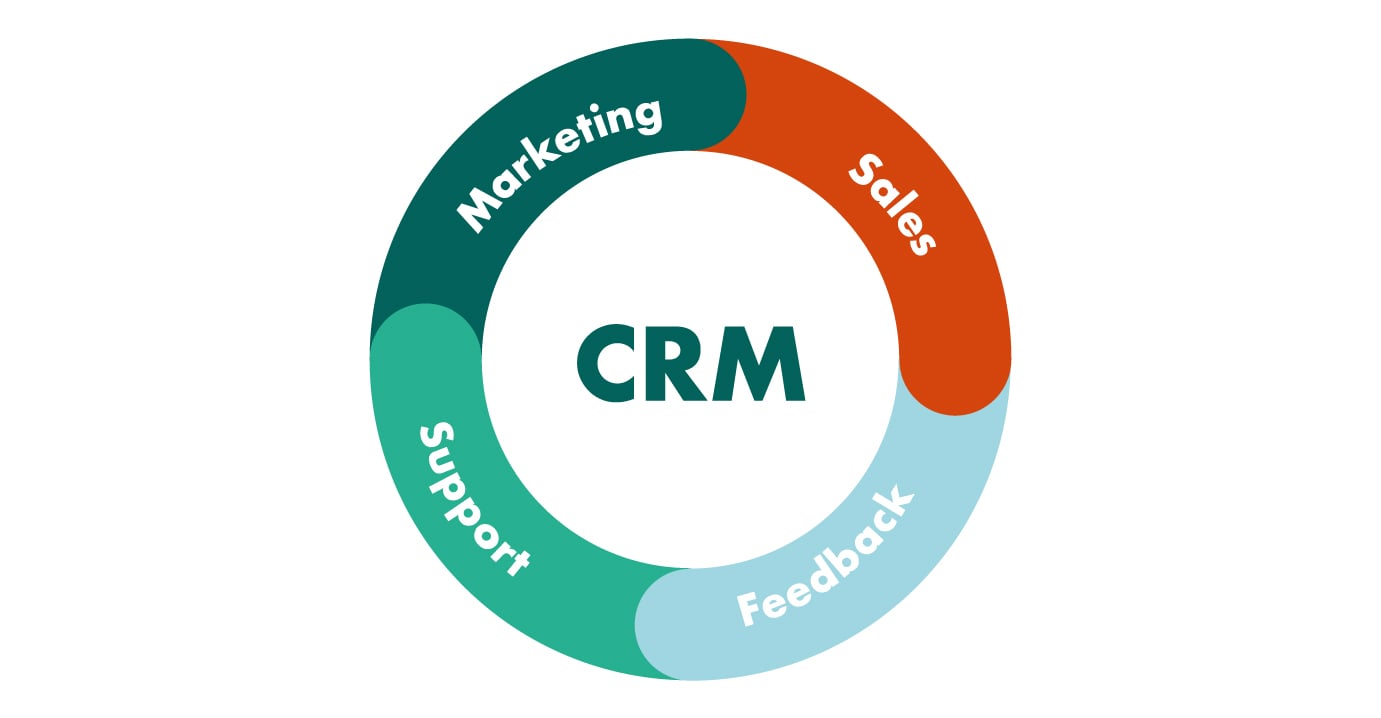
Furthermore, contemporary CRM platforms extend beyond traditional sales and marketing functions to encompass broader aspects of customer relationship management, including service, support, and loyalty initiatives. By fostering seamless collaboration and information sharing across departments, these integrated systems enable organizations to orchestrate cohesive customer experiences that transcend siloed interactions and drive long-term loyalty and advocacy.
Moreover, the advent of cloud computing and Software-as-a-Service (SaaS) models has democratized access to CRM technology, allowing businesses of all sizes to leverage scalable and cost-effective solutions tailored to their specific needs. Cloud-based CRM platforms offer flexibility, scalability, and accessibility, empowering organizations to adapt to evolving market dynamics and capitalize on emerging opportunities with agility and efficiency.
In conclusion, CRM has evolved from its nascent origins as a rudimentary contact management tool into a strategic imperative for businesses seeking to thrive in the hyperconnected digital era. By embracing advanced technologies, data-driven insights, and customer-centric strategies, organizations can cultivate enduring relationships, drive sustainable growth, and remain competitive in an increasingly complex and dynamic marketplace.
The Limitations of Traditional CRM
The passage highlights the limitations of traditional Customer Relationship Management (CRM) systems and emphasizes the need for a more holistic and adaptable approach to managing customer relationships in the digital age.
Traditional CRM systems have been effective in managing customer data and facilitating sales pipelines. However, they have often fallen short in addressing the comprehensive needs of businesses. One of the major drawbacks is their compartmentalized approach, which confines CRM functionalities to specific departments, such as sales and marketing. This fragmentation hinders seamless collaboration and obscures valuable insights that could drive strategic decision-making across the organization.
In a typical organization, different departments often use separate CRM systems tailored to their specific needs. For example, the sales team might use a CRM system to track leads and manage customer interactions, while the marketing team might use a different system to run campaigns and analyze customer data. This siloed approach leads to disjointed processes and makes it difficult for different departments to share information and collaborate effectively.
Moreover, traditional CRM systems are static in nature and often struggle to adapt to the evolving demands of the digital age. In today’s fast-paced business environment, where customer preferences and market trends can change rapidly, businesses need CRM systems that are agile and flexible. Traditional CRM systems are often rigid and lack the scalability and customization options needed to keep pace with changing business requirements.
The limitations of traditional CRM systems become especially apparent when businesses try to harness the power of data-driven insights to drive strategic decision-making. With data scattered across different systems and departments, it can be challenging to gain a comprehensive view of the customer journey and identify trends and patterns that could inform business strategy. As a result, businesses may miss out on opportunities to optimize their operations, improve customer satisfaction, and stay ahead of the competition.
To overcome these limitations, businesses are increasingly turning to modern CRM solutions that offer a more holistic approach to customer relationship management. These next-generation CRM platforms integrate seamlessly with other business systems, such as ERP and marketing automation software, to provide a unified view of customer data across the organization. By breaking down silos and fostering collaboration between departments, these modern CRM systems enable businesses to leverage the full potential of their data to drive growth and innovation.
Furthermore, modern CRM systems are built with flexibility and scalability in mind, allowing businesses to adapt and evolve in response to changing market conditions. Cloud-based CRM platforms, in particular, offer the agility and scalability needed to support businesses of all sizes and industries. With features like AI-driven analytics and predictive modeling, these modern CRM systems empower businesses to anticipate customer needs, personalize interactions, and deliver superior customer experiences.
In conclusion, while traditional CRM systems have been effective in managing customer data and facilitating sales pipelines, they often fall short in addressing the holistic needs of businesses. Their compartmentalized approach and static nature hinder seamless collaboration and obscure valuable insights that could drive strategic decision-making. To overcome these limitations, businesses are turning to modern CRM solutions that offer a more holistic, agile, and flexible approach to customer relationship management. By breaking down silos and harnessing the power of data-driven insights, these modern CRM systems empower businesses to thrive in the digital age.
The Evolutionary Leap: CRM as a Comprehensive Business Management Tool
The passage highlights the evolution of Customer Relationship Management (CRM) systems from their traditional role as tools for managing customer data and sales pipelines into comprehensive business management platforms. This evolution represents a paradigm shift in organizational strategy and operational efficiency, as it involves integrating CRM functionalities with various business processes beyond just sales and marketing, such as finance and human resources.
Traditionally, CRM systems were primarily focused on managing customer interactions and facilitating sales processes. They served as repositories for customer data, allowing businesses to track interactions, manage leads, and streamline sales pipelines. While effective in these specific domains, traditional CRM systems often operated in isolation from other business functions, leading to siloed approaches and fragmented data management.
However, the modern business landscape demands a more integrated approach to managing customer relationships and organizational processes. The evolution of CRM into a comprehensive business management tool addresses this need by extending its functionalities to encompass a broader spectrum of activities across the entire organization.
At the core of this transformation is the integration of CRM functionalities with various business processes, including marketing, sales, finance, and human resources. By consolidating these disparate functions into a unified platform, businesses can break down silos and foster collaboration across departments. This integration allows for seamless data sharing and communication, enabling a holistic view of customer interactions and organizational performance.
For example, integrating CRM with marketing functions enables businesses to track the effectiveness of marketing campaigns, analyze customer behavior, and tailor marketing strategies based on real-time data insights. Similarly, integrating CRM with sales processes streamlines lead management, improves sales forecasting, and enhances customer engagement through personalized interactions.
Moreover, extending CRM functionalities to finance and accounting processes enables businesses to manage billing, invoicing, and financial reporting more efficiently. By automating repetitive tasks and providing real-time financial insights, integrated CRM systems empower organizations to make data-driven decisions and optimize revenue generation.
Furthermore, integrating CRM with human resources functions facilitates employee management, talent acquisition, and workforce planning. Businesses can leverage CRM data to identify top-performing employees, assess training needs, and align workforce strategies with organizational objectives.
Overall, the evolution of CRM into a comprehensive business management tool represents a shift towards a more holistic approach to managing customer relationships and organizational operations. By breaking down silos and integrating CRM functionalities with diverse business processes, businesses can create a synergistic ecosystem that drives sustainable growth and innovation.
In conclusion, the transformation of CRM from a standalone sales tool into a comprehensive business management platform is driven by the need for organizations to adopt more integrated and efficient approaches to managing customer relationships and organizational processes. By embracing this evolution, businesses can unlock new opportunities for collaboration, innovation, and growth in today’s competitive marketplace.
The Key Features of Comprehensive Business Management
The evolution of Customer Relationship Management (CRM) has been marked by a significant shift towards incorporating advanced analytics and artificial intelligence (AI) capabilities. These technological advancements have transformed CRM from a mere data repository into a strategic tool that empowers organizations to derive actionable insights from vast volumes of customer data. By leveraging predictive analytics and machine learning algorithms, businesses can unlock valuable patterns and trends hidden within their data, enabling them to make informed decisions and anticipate customer needs more effectively.
One of the key benefits of incorporating advanced analytics and AI into CRM is the ability to forecast market trends with greater accuracy. By analyzing historical data and identifying patterns, businesses can gain insights into market dynamics, customer behavior, and preferences. This enables them to adapt their strategies in real-time, capitalize on emerging opportunities, and stay ahead of the competition. Additionally, predictive analytics allows organizations to anticipate customer needs and preferences, enabling them to personalize interactions and offerings at scale. This not only enhances customer satisfaction but also drives loyalty and retention.
Moreover, the seamless integration of CRM with other operational systems such as Enterprise Resource Planning (ERP) and Supply Chain Management (SCM) is another crucial aspect of its evolution. This integration enables end-to-end visibility and enhanced coordination across the entire value chain, from procurement to delivery. By breaking down silos and connecting disparate systems, businesses can streamline processes, improve efficiency, and deliver a more seamless customer experience. For example, by integrating CRM with ERP, organizations can ensure that customer orders are processed smoothly, inventory levels are optimized, and delivery schedules are met, leading to higher levels of customer satisfaction and loyalty.
Furthermore, the integration of CRM with SCM enables businesses to better understand and respond to demand fluctuations in real-time. By analyzing customer data and market trends, organizations can adjust production schedules, optimize inventory levels, and minimize stockouts or excess inventory. This not only improves operational efficiency but also reduces costs and enhances profitability. Additionally, by integrating CRM with SCM, businesses can gain insights into supplier performance, negotiate better terms, and mitigate supply chain risks, ensuring smooth and uninterrupted operations.
In conclusion, the incorporation of advanced analytics and AI capabilities into CRM has revolutionized how businesses manage customer relationships and operate their supply chains. By leveraging predictive analytics and machine learning algorithms, organizations can anticipate customer needs, forecast market trends, and personalize interactions at scale. Moreover, the seamless integration of CRM with other operational systems such as ERP and SCM enables end-to-end visibility and enhanced coordination across the entire value chain. This not only improves operational efficiency but also drives customer satisfaction, loyalty, and profitability. As technology continues to advance, the role of CRM in empowering organizations to derive actionable insights from data and deliver exceptional customer experiences will only continue to grow.
Harnessing the Power of Automation and Customization
The passage highlights the pivotal role of automation in modern business management. Automation refers to the use of technology to perform tasks with minimal human intervention, thereby enhancing efficiency and productivity across various business functions. In today’s rapidly evolving business landscape, organizations are increasingly turning to automation to optimize processes, reduce costs, and drive growth.
One of the key benefits of automation is its ability to streamline workflows and eliminate manual tasks. By automating routine processes such as data entry, document management, and report generation, organizations can free up valuable time and resources that can be redirected towards more strategic initiatives. This not only improves operational efficiency but also enables employees to focus on tasks that require creativity, critical thinking, and problem-solving skills.
Automation also plays a crucial role in enhancing customer relationship management (CRM) processes. For example, automated lead nurturing workflows can help businesses engage with prospects more effectively by delivering timely and personalized communications based on their interests and preferences. Similarly, automation can streamline the sales pipeline management process by automatically assigning leads to sales representatives, tracking their progress through the sales funnel, and providing insights to help optimize conversion rates.
Furthermore, automation enables businesses to execute targeted marketing campaigns with greater precision and efficiency. By leveraging data analytics and machine learning algorithms, organizations can identify patterns and trends in customer behavior, segment their audience based on demographic, psychographic, and behavioral attributes, and deliver highly personalized content across multiple channels. This not only improves the effectiveness of marketing efforts but also enhances the overall customer experience by delivering relevant and timely messages.
In addition to improving customer-facing processes, automation also has significant implications for internal operations and resource allocation. For example, automated inventory management systems can help businesses optimize stock levels, reduce carrying costs, and minimize the risk of stockouts or overstocking. Similarly, automated scheduling and workforce management tools can help organizations optimize staffing levels, allocate resources more efficiently, and minimize labor costs.
Moreover, the flexibility afforded by customizable CRM solutions allows businesses to tailor their systems according to specific industry requirements, regulatory frameworks, and organizational objectives. Whether it’s configuring custom fields and workflows, integrating with third-party applications, or implementing advanced security features, customizable CRM solutions provide organizations with the flexibility and scalability they need to adapt to changing business needs and regulatory requirements.
In conclusion, automation lies at the heart of comprehensive business management, enabling organizations to automate routine tasks, streamline workflows, and allocate resources more efficiently. From automated lead nurturing and sales pipeline management to personalized marketing campaigns and customer support, automation liberates workforce capacity and fosters a culture of innovation. Furthermore, the flexibility afforded by customizable CRM solutions empowers businesses to tailor their systems according to specific industry requirements, regulatory frameworks, and organizational objectives. By embracing automation, organizations can stay ahead of the competition, drive growth, and deliver exceptional value to their customers.
The Road Ahead: Embracing Digital Transformation
In the modern business landscape, characterized by rapid technological advancements and intensifying competition, the concept of digital transformation has shifted from being merely advantageous to becoming a fundamental necessity for survival and growth. This imperative stems from the recognition that businesses must evolve and adapt to remain relevant in an environment where consumer preferences, market dynamics, and industry norms are constantly evolving.
At the heart of this transformation lies the integration of Customer Relationship Management (CRM) with cutting-edge technologies, such as cloud computing, Internet of Things (IoT), and blockchain. This convergence heralds a new era of interconnectedness and agility, empowering organizations to streamline operations, enhance customer experiences, and drive innovation across all facets of their business.
Cloud computing, for instance, has revolutionized the way businesses manage and store data. By migrating their CRM systems to the cloud, organizations can enjoy greater scalability, flexibility, and accessibility, thereby enabling seamless collaboration and real-time insights across dispersed teams and locations. Furthermore, cloud-based CRM solutions eliminate the need for costly infrastructure investments and maintenance, allowing businesses to allocate resources more efficiently and focus on core competencies.
The Internet of Things (IoT) presents another frontier for digital transformation in CRM. By embedding sensors and connectivity into physical objects and devices, businesses can capture a wealth of data in real-time, providing unprecedented visibility into customer behaviors, product usage patterns, and operational performance. Leveraging this data, organizations can personalize interactions, anticipate needs, and deliver tailored solutions that resonate with individual customers, thereby fostering deeper relationships and driving loyalty.
Blockchain technology, renowned for its decentralized and immutable nature, offers yet another avenue for enhancing CRM capabilities. By leveraging blockchain-enabled CRM systems, businesses can ensure the integrity and security of customer data, mitigate risks associated with fraud and tampering, and enhance transparency and trust in their interactions with customers and partners. Moreover, blockchain facilitates seamless transactions and smart contracts, streamlining processes and reducing friction in multi-party engagements.
The integration of these transformative technologies into CRM not only enables organizations to adapt to the demands of the digital age but also unlocks a myriad of opportunities for innovation and growth. By transcending traditional boundaries and silos, businesses can foster greater collaboration and synergy across departments and functions, driving efficiency and agility throughout the organization.
Furthermore, by harnessing the power of data analytics and artificial intelligence (AI) in conjunction with CRM, organizations can derive actionable insights and predictive intelligence that fuel informed decision-making and drive strategic initiatives. From identifying emerging market trends to optimizing sales and marketing campaigns, these advanced analytics capabilities empower businesses to stay ahead of the curve and capitalize on untapped opportunities.
In conclusion, embracing digital transformation within CRM is no longer a choice but a critical imperative for businesses seeking to thrive in an increasingly complex and competitive landscape. By harnessing the synergies of cloud computing, IoT, blockchain, and advanced analytics, organizations can unlock new revenue streams, enhance customer experiences, and propel themselves towards sustained success in the digital age. As the pace of technological innovation continues to accelerate, businesses must remain agile and adaptive, leveraging digital transformation as a strategic enabler to navigate the ever-evolving landscape and secure a competitive edge.
Conclusion
In conclusion, the evolution of CRM into a comprehensive business management tool represents a watershed moment in the annals of organizational evolution. By transcending its traditional confines and embracing a holistic approach to business management, CRM empowers businesses to navigate the complexities of the modern marketplace with confidence and foresight. As we stand on the brink of a new era defined by innovation and disruption, the journey from CRM to comprehensive business management promises to redefine the contours of success and forge new pathways towards enduring prosperity.